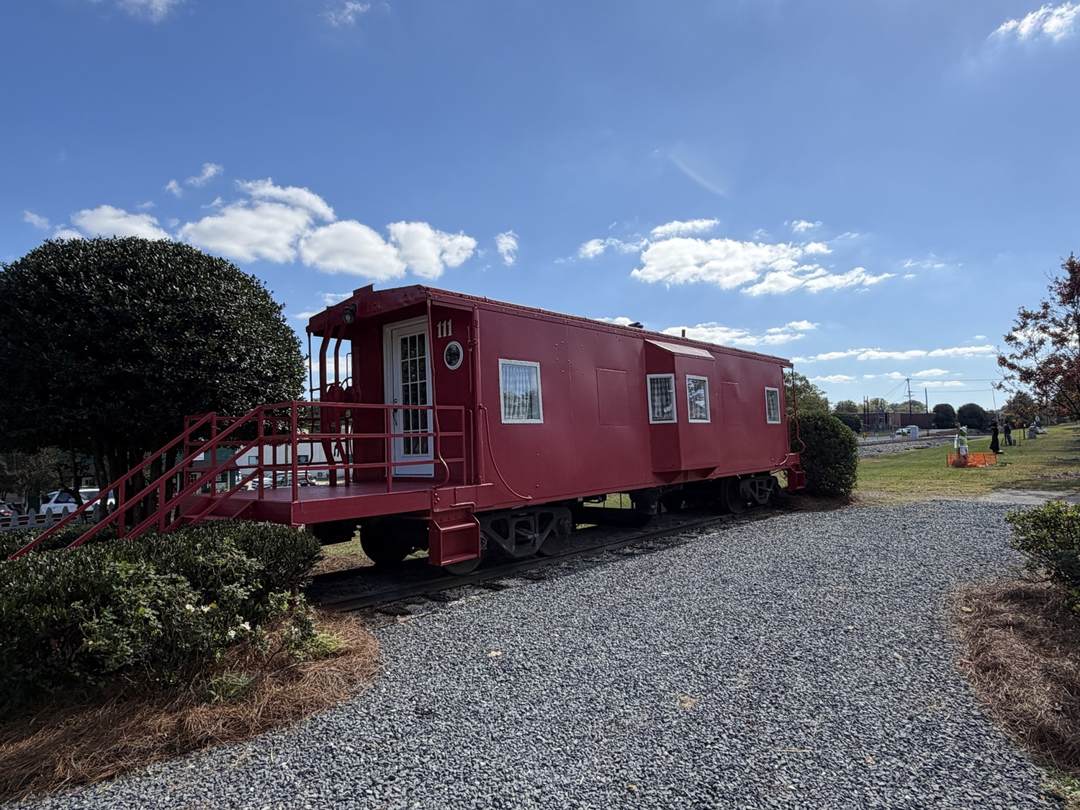
July 4, 1852: a turning point
The Fort Mill History Museum reports that the first Charlotte & South Carolina Railway train reached Fort Mill on July 4, 1852. A passenger depot was built that year. Rail access made a new concentration of businesses and travel possible, helping shift activity toward the area we recognize as downtown.
The street later known as Main Street was originally called Trade Street, according to the museum. The name itself reflects the everyday commercial life forming beside the railroad.
A bridge for pedestrians
The museum records the building of a pedestrian footbridge just north of the depot in 1901. Long trains and the arrangement of the station made crossing the tracks awkward or unsafe, so the bridge served a practical purpose.
The museum dates the bridge’s removal to 1951. Its disappearance shows how even infrastructure that shapes a community for decades can vanish from the streetscape. Historical photographs and archival research provide a way to recover that story.
Freight, passengers, and changing use
A freight depot was built near Main and White Streets around 1890. Passenger service eventually ended in 1966, while the freight depot remained in use until 1975, according to the museum.
Railroad infrastructure also has a wartime history: the Catawba River trestle was destroyed in 1865 during the Civil War. Those events belong to the region’s transportation history, not merely its military history.
A caboose as a contemporary reminder
The red caboose in these photographs sits beside downtown’s railroad corridor. It visually connects the modern town to its rail past, although a photograph of a display cannot establish where that particular car worked originally.
Look beyond the caboose to the tracks, crossing, and historic storefronts; together they show how Fort Mill developed around travel and trade.
From the field
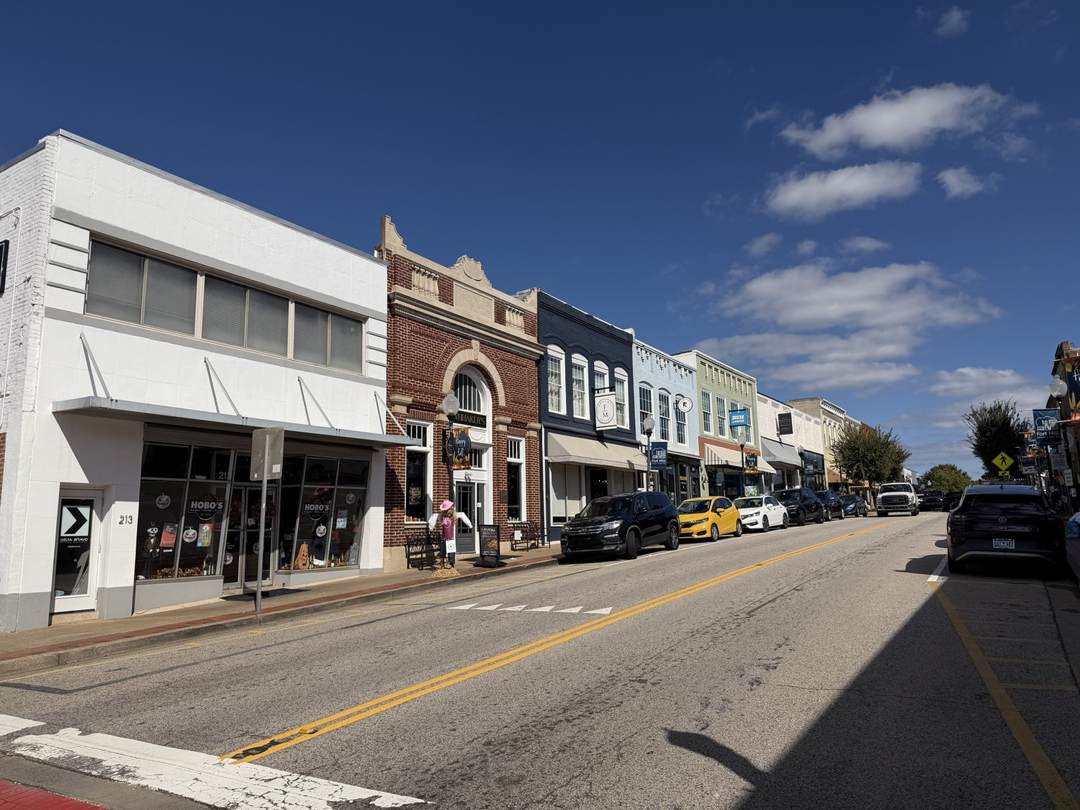
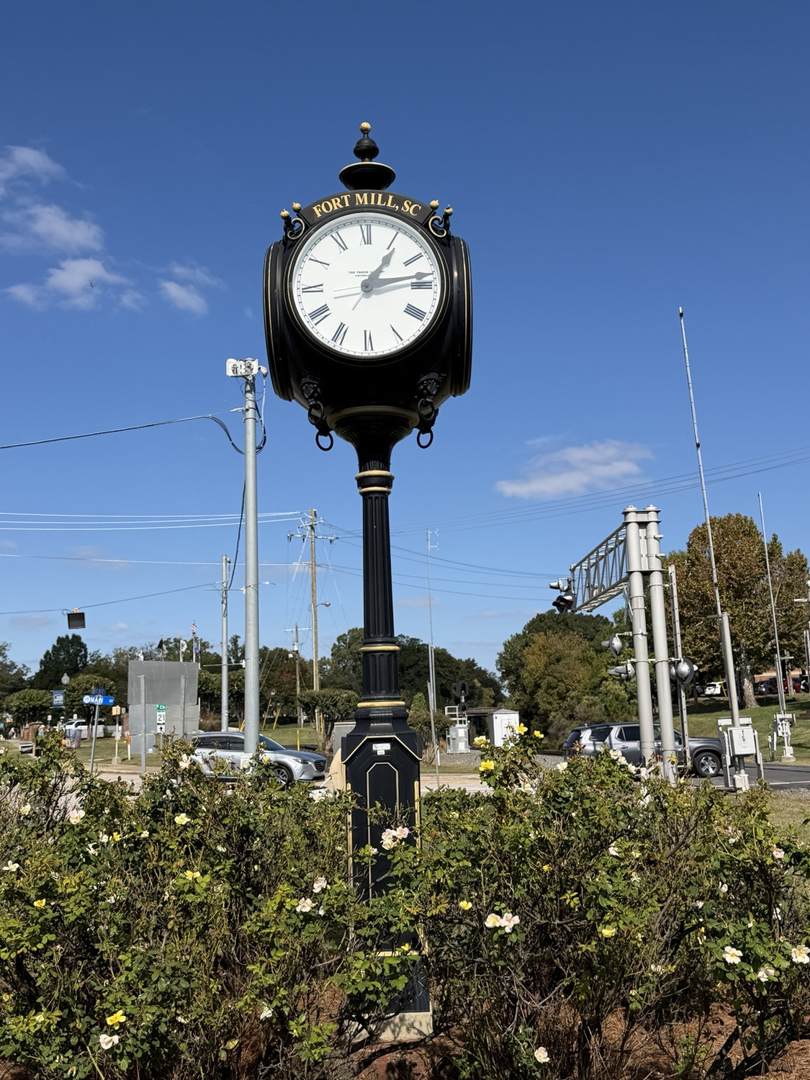
Photographs show the locations as visited; old buildings and historic markers should not be confused with reconstructions of the entire historical setting.
← Back to the stories